

Tools & Resource Library
Explore the sections below to find training materials, educational opportunities, digital tools and best practices guides, webinars, and publications from medical journals and newspapers. Share these resources to train and educate health care professionals on current events and research in trafficking issues. We encourage our community to see human trafficking as a critical medical problem and ourselves as major players in healing it.
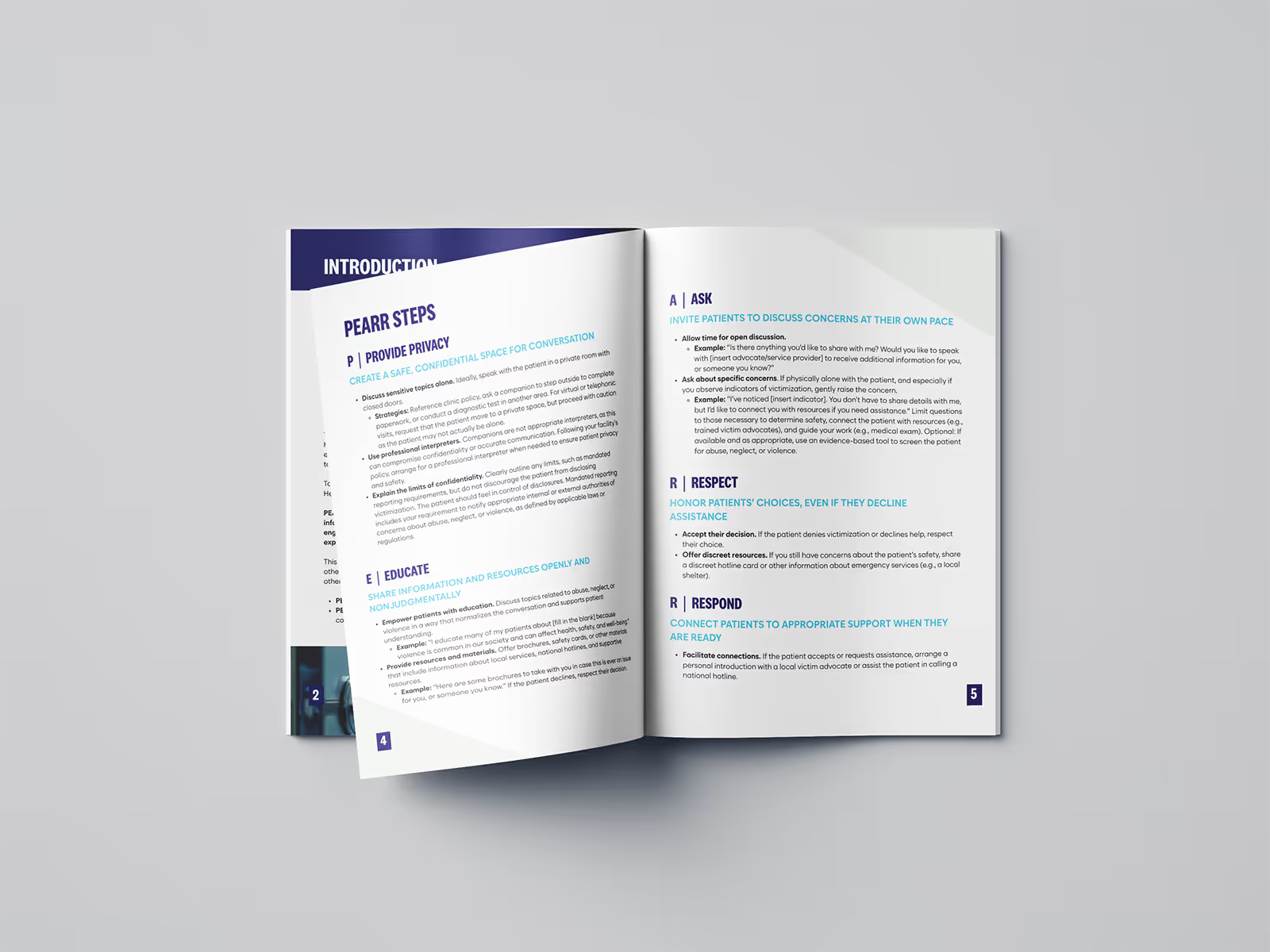
PEARR Tool for Victim Assistance in Healthcare Settings
Our PEARR tool offers a trauma-Informed approach to victim assistance in healthcare settings by directing healthcare providers on how to Provide Privacy, Educate, Ask, Respect, and Respond to individuals experiencing human trafficking, with a goal of strengthening patient-provider relationships and enhancing health, safety, and overall well-being.
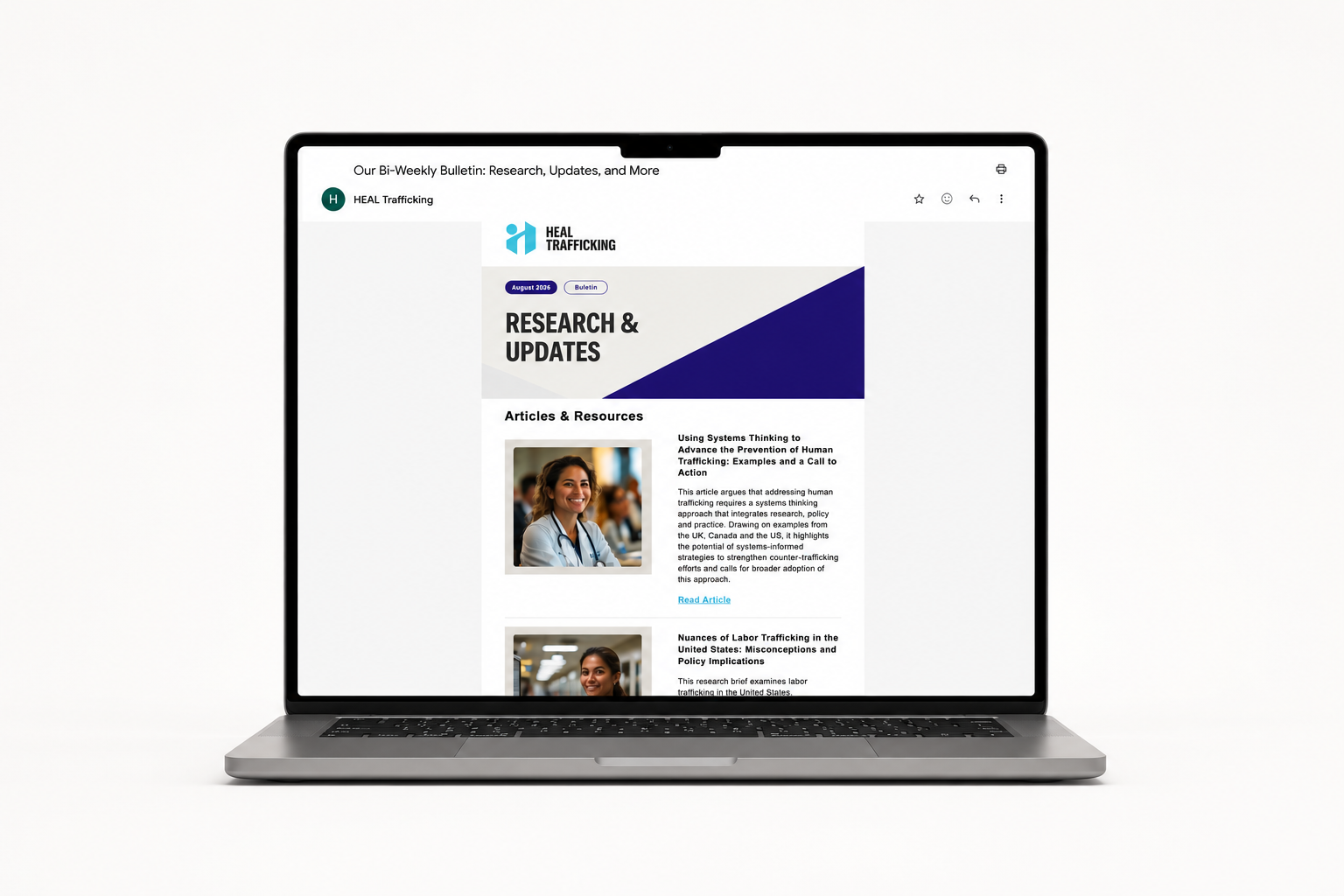
HEAL Trafficking's Bi-Weekly Bulletin
The HEAL Bi-Weekly Bulletin is a free resource from HEAL Trafficking that brings together timely research, resources, news, events, and opportunities related to human trafficking and health. Published every other week, the Bulletin helps healthcare professionals, researchers, advocates, educators, and other partners stay connected to developments across the anti-trafficking and public health fields.
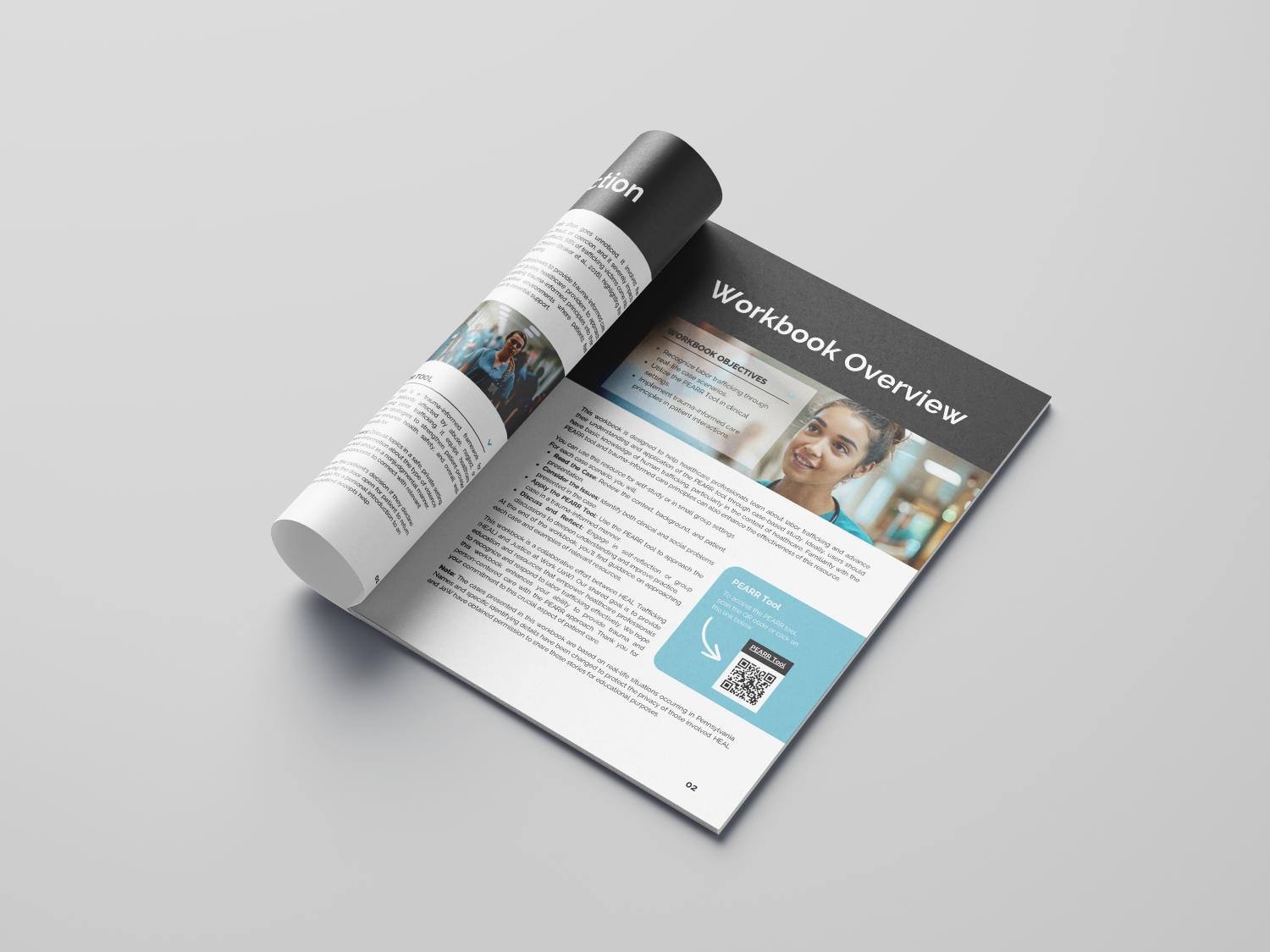
HEALing Labor Trafficking: Case Studies & Best Practices
Developed in collaboration with Justice at Work, this workbook is designed to help healthcare professionals learn about labor trafficking and advance their understanding and application of the PEARR tool through case-based study.

Human Trafficking Protocol Toolkit
The Protocol Toolkit helps health institutions develop protocols for responding to human trafficking and is flexibly designed for a variety of healthcare settings, including emergency departments, hospitals, clinics, private offices, or school-based health centers.
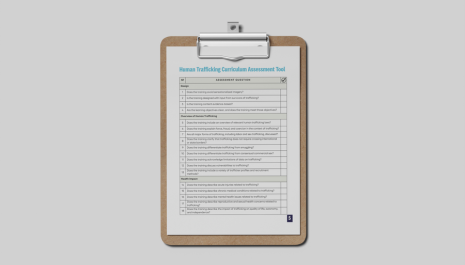
Training Assessment Tool
This self-scoring rubric helps those developing human trafficking training programs evaluate the effectiveness of anti-trafficking curriculum, including assessment of the program’s comprehensiveness and identification of areas for improvement.


